
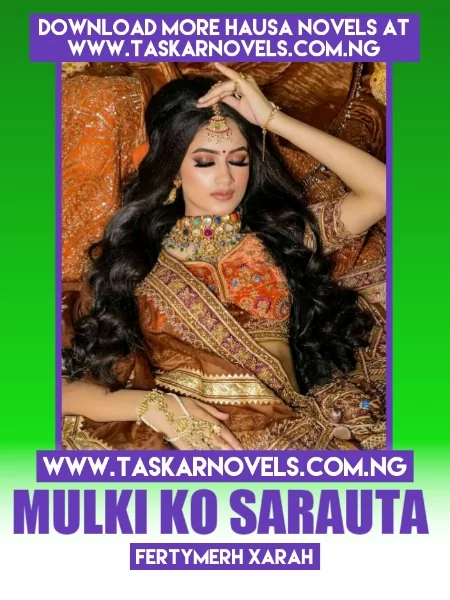
MULKI KO SARAUTA is a Hausa novel that explores the themes of leadership and power. Written by one of Nigeria's most prominent authors, Abubakar Gimba, the novel has become a classic of contemporary Hausa literature.
The story centers around a powerful Emir, Alhaji Abdullahi, who rules over a wealthy and prosperous kingdom. He is known for his wisdom, compassion, and fairness in dealing with his subjects. However, when his health begins to fail, he must choose a successor to take over his throne.
As the novel unfolds, we are introduced to a cast of characters who are vying for the position of the next Emir. Some are loyal and devoted to the current ruler, while others are more opportunistic and driven by ambition. The novel examines the different types of leadership and power, and how they can be used for good or for ill.
One of the main characters in the novel is a young man named Musa. He is a member of the Emir's court and is highly respected for his intelligence and skill in diplomacy. Musa is also a close friend of the Emir's son, Danjuma. When the Emir becomes ill, Musa is tasked with helping Danjuma prepare to take over the throne.
However, as the succession process begins, Musa realizes that there are powerful forces at work that are determined to prevent Danjuma from becoming the next Emir. Some of these forces are within the kingdom itself, while others are external, coming from neighboring kingdoms and their leaders.
Throughout the novel, we see how Musa uses his intelligence and diplomatic skills to navigate the treacherous waters of palace politics. He must deal with scheming courtiers, jealous rivals, and even assassination attempts on his own life. But through it all, Musa remains steadfast in his loyalty to the Emir and his determination to see Danjuma become the next ruler of the kingdom.
As the novel reaches its climax, we see a power struggle between Musa and his enemies, with the fate of the kingdom hanging in the balance. The novel asks important questions about what it means to be a good leader, and whether power can be wielded in a just and equitable way.
One of the strengths of MULKI KO SARAUTA is its rich and detailed portrayal of Hausa culture and society. We see the complex relationships between the Emir and his subjects, as well as the various customs and traditions that govern daily life in the kingdom. The novel also explores the role of religion in shaping people's beliefs and values, with Islam playing a prominent role in the lives of the characters.
Hauwau Abubakar Lawal Mai Turare

Janafty

Bilyn Abdul

Rasheeda A Kardam

Mrs Usman
Nanameera,The Nainarh KD

Sumaiya M Tukur

Rashidat Usman
Fatima Dahiru Funtua Bintu
Mom Islam

Tawakaltu Abubakar

Maman Walid da Walida

by Fatima Aminu Ya'u

by Mujahida Matar Malam

by Mom Islam

by Khadijat Sani Gana

by Habiba Abubakar Imam

by Ummee Muhammad Lawan

by Naanah M Sha'aban

by Maryam Ismail Majidadi

by Shafi'u Dauda Giwa

by Shamsiya Adam